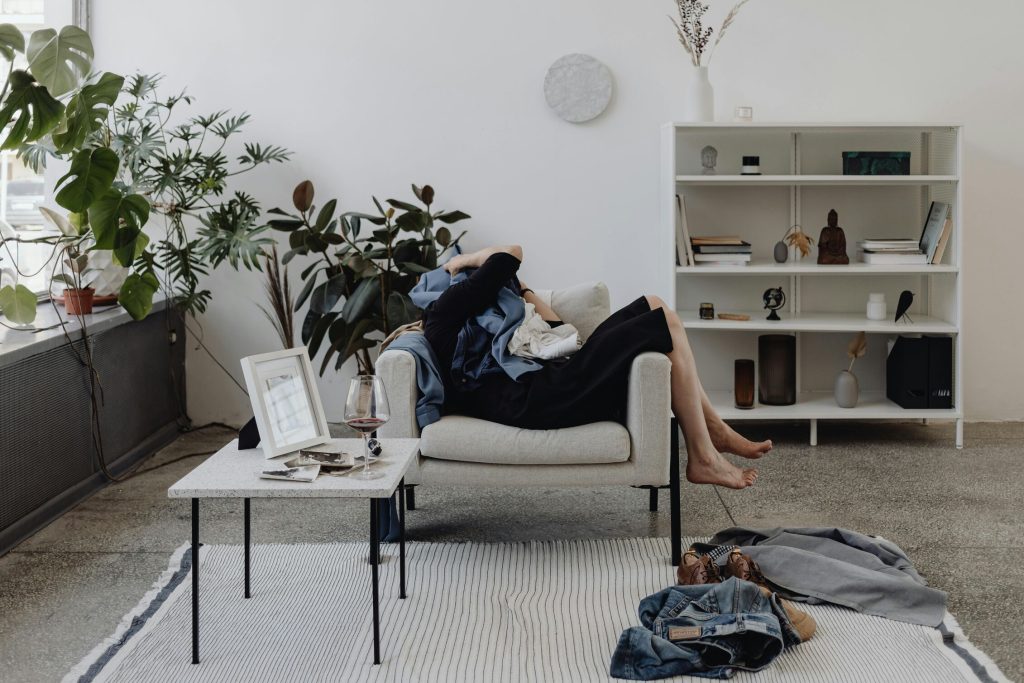
🌿 Minimalism & Decluttering: Finding Freedom in Simplicity
In a world overflowing with possessions, notifications, and endless choices, many of us feel weighed down rather than uplifted. The pursuit of “more” often leaves us stressed, distracted, and disconnected from what truly matters. That’s where minimalism and decluttering step in—not as trends, but as powerful lifestyles that help us reclaim peace, clarity, and purpose.
Minimalism isn’t about living with nothing; it’s about living with enough. Decluttering isn’t just about cleaning your closet; it’s about clearing your mind. Together, they create space for joy, focus, and freedom.
🌟 What Minimalism Really Means
Minimalism is often misunderstood as deprivation. In reality, it’s about intentional living—choosing what adds value and letting go of what doesn’t. It’s not about owning the least, but about owning what matters most.
Minimalism asks:
Does this item serve a purpose?
Does it bring joy or meaning?
Does it align with my values?
When the answer is no, it’s time to let go.
🧹 Decluttering: More Than Just Tidying Up
Decluttering is the practical side of minimalism. It’s the act of removing excess—whether physical, digital, or emotional. By decluttering, we create space for clarity and calm.
Decluttering can be applied to:
Homes: Removing unused clothes, gadgets, and décor.
Workspaces: Organizing files, tools, and digital folders.
Digital Life: Cleaning up emails, apps, and social media feeds.
Mindsets: Letting go of toxic relationships, regrets, and limiting beliefs.
It’s about simplifying so that life feels lighter and more manageable.
🧠 The Psychological Benefits
Minimalism and decluttering aren’t just about aesthetics—they profoundly impact mental health.
Reduced Stress: A cluttered environment often mirrors a cluttered mind. Simplifying surroundings lowers anxiety.
Improved Focus: Fewer distractions mean more concentration on what matters.
Emotional Relief: Letting go of unused items reduces guilt and attachment.
Sense of Control: Decluttering gives us agency over our environment, boosting confidence.
Studies show that people living in organized spaces experience greater peace and productivity.
🏡 Minimalism in Everyday Life
Minimalism isn’t limited to homes—it extends to every aspect of life.
Wardrobe: A capsule wardrobe saves time and reduces decision fatigue.
Finances: Spending intentionally prevents debt and encourages savings.
Technology: Using fewer apps reduces digital overwhelm.
Relationships: Choosing quality over quantity fosters deeper connections.
Minimalism is about aligning choices with values, whether in fashion, money, or friendships.
🌈 Decluttering as a Path to Joy
Decluttering isn’t about loss—it’s about gain. By removing excess, we gain:
Space: Physical room to breathe and move freely.
Time: Less cleaning, organizing, and maintaining.
Energy: More focus on passions and priorities.
Freedom: Liberation from consumerism and comparison.
Decluttering is a gift we give ourselves—a chance to live lighter and happier.
🔄 Minimalism & Sustainability
Minimalism also benefits the planet. By consuming less, we reduce waste, pollution, and resource depletion. Choosing quality over quantity means fewer items end up in landfills. Decluttering responsibly—through recycling, donating, or repurposing—creates a positive environmental impact.
Minimalism teaches us that sustainability begins with mindful choices.
💡 Practical Steps to Start
Getting started with minimalism and decluttering doesn’t have to be overwhelming. Here are simple steps:
Start Small: Begin with one drawer, shelf, or digital folder.
Ask Questions: Does this item serve me? Do I use it?
Sort & Simplify: Keep, donate, recycle, or discard.
Set Limits: For clothes, gadgets, or apps—define what’s “enough.”
Practice Gratitude: Appreciate what remains instead of mourning what’s gone.
Consistency matters more than speed. Minimalism is a journey, not a destination.
🕊️ Emotional Decluttering
Minimalism isn’t only about things—it’s about emotions. Letting go of grudges, regrets, and toxic influences is just as important as cleaning closets. Emotional decluttering helps us:
Heal from past mistakes.
Focus on present opportunities.
Build healthier relationships.
By decluttering our minds, we create space for peace and growth.
📚 Life Lessons from Minimalism
Minimalism teaches us profound lessons:
Less is More: Happiness doesn’t come from abundance but from meaning.
Presence Matters: Decluttering helps us live in the moment.
Value Experiences Over Things: Memories last longer than possessions.
Intentional Choices: Every decision shapes our lifestyle.
These lessons guide us toward a more fulfilling life.
🌍 Minimalism in the Modern World
In today’s consumer-driven society, minimalism is a quiet rebellion. It challenges the idea that success equals possessions. Instead, it promotes balance, mindfulness, and authenticity.
Minimalism is not about rejecting modern life—it’s about embracing it with clarity. It’s about using technology wisely, spending consciously, and living purposefully.
🏆 The Rewards of Decluttering
The rewards of minimalism and decluttering are endless:
A calmer home environment.
More financial freedom.
Stronger relationships.
Better health and well-being.
A deeper sense of purpose.
By simplifying, we gain more than we lose.
✨ Conclusion: The Freedom of Less
Minimalism and decluttering are not about scarcity—they are about abundance in the right places. They help us focus on what truly matters: health, relationships, passions, and peace of mind.
In a noisy world, minimalism is clarity. In a cluttered life, decluttering is freedom. Together, they remind us that happiness doesn’t come from having more—it comes from needing less.
So, start small. Clear a drawer, delete an app, let go of a regret. Each step toward minimalism is a step toward freedom. And in that freedom, you’ll discover the joy of living with intention.