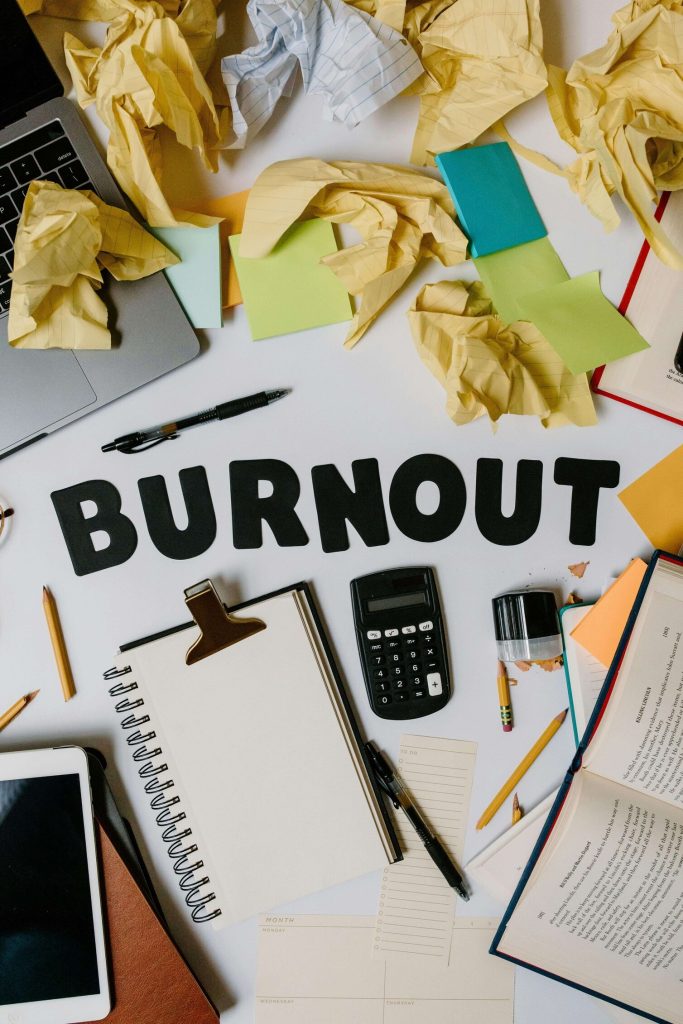
Burnout Recovery: A Survival Guide for Young Professionals in the Corporate World
The corporate world has always been demanding, but for young professionals in 2026, the pressure feels heavier than ever. Long hours, constant deadlines, endless meetings, and the expectation to “always be available” have created a culture where burnout is no longer rare—it’s common.
Burnout isn’t just feeling tired. It’s a state of emotional, physical, and mental exhaustion caused by prolonged stress. For young professionals, it often shows up as loss of motivation, irritability, declining performance, and even health issues. The good news? Burnout is not permanent. With the right strategies, recovery is possible, and it can even lead to a stronger, healthier career.
This blog explores burnout recovery for young professionals in the corporate world, offering practical steps, humanized insights, and strategies to rebuild balance.
Understanding Burnout in the Corporate Context
Burnout among young professionals often stems from a mix of factors:
-
Unrealistic expectations: Many fresh graduates enter corporate jobs eager to prove themselves, only to face workloads that exceed their capacity.
-
Always-on culture: With emails, Slack messages, and video calls, boundaries between work and personal life blur.
-
Comparison pressure: Social media amplifies the feeling of “not doing enough” when peers showcase promotions, achievements, or side hustles.
-
Lack of autonomy: Young employees often feel they have little control over their schedules or decisions.
Recognizing these triggers is the first step toward recovery. Burnout isn’t a personal weakness—it’s a systemic issue that requires both individual and organizational solutions.
Step 1: Acknowledge and Accept
Recovery begins with acknowledgment. Many young professionals deny burnout, fearing it will make them look weak. But ignoring the signs only worsens the problem.
-
Listen to your body: Fatigue, headaches, insomnia, or frequent illness are signals.
-
Notice emotional changes: Irritability, detachment, or loss of joy in work are red flags.
-
Track performance dips: Struggling with tasks you once handled easily is a sign of burnout.
Acceptance doesn’t mean giving up—it means recognizing the need for change.
Step 2: Set Boundaries
Boundaries are the antidote to corporate overdrive. Without them, work consumes every corner of life.
-
Define work hours: Commit to a start and end time, and stick to it.
-
Digital detox windows: Turn off notifications after hours.
-
Learn to say no: Declining extra projects is not laziness—it’s self-preservation.
Boundaries protect mental health and signal to colleagues that your time is valuable.
Step 3: Rebuild Energy with Rest
Rest is not a luxury—it’s a necessity. Burnout recovery requires intentional rest.
-
Sleep hygiene: Prioritize 7–8 hours of quality sleep.
-
Micro-breaks: Short pauses during the day prevent mental fatigue.
-
Vacations and sabbaticals: Extended breaks allow deep recovery.
Rest isn’t just physical—it’s emotional. Activities like journaling, meditation, or simply spending time with loved ones restore inner balance.
Step 4: Physical Renewal
The body and mind are deeply connected. Physical renewal accelerates burnout recovery.
-
Exercise: Regular movement reduces stress hormones and boosts mood.
-
Nutrition: Balanced meals stabilize energy levels.
-
Hydration: Dehydration worsens fatigue and concentration issues.
Even small changes—like a 20-minute walk or swapping fast food for home-cooked meals—make a difference.
Step 5: Rediscover Joy Outside Work
Burnout often makes life feel like it’s only about deadlines. Recovery requires reconnecting with passions.
-
Creative outlets: Painting, writing, or music provide emotional release.
-
Social connections: Spending time with friends and family combats isolation.
-
Hobbies: Sports, gaming, or volunteering remind you that life is more than work.
Joy outside work restores perspective and prevents work from defining identity.
Step 6: Rethink Career Goals
Sometimes burnout signals a deeper issue: misalignment between personal values and corporate culture.
-
Reflect on priorities: Do you value growth, stability, or creativity?
-
Assess your role: Is your current job fulfilling or draining?
-
Explore alternatives: Side hustles, freelancing, or career shifts may align better with your goals.
Young professionals often feel trapped, but recovery can be the catalyst for redefining career paths.
Step 7: Seek Support
Burnout recovery is easier with support.
-
Mentors: Guidance from experienced professionals provides perspective.
-
Therapists: Professional help addresses emotional and psychological strain.
-
Peer groups: Sharing experiences with colleagues normalizes struggles.
Support systems remind young professionals that they’re not alone in the journey.
Step 8: Advocate for Organizational Change
Burnout isn’t just an individual issue—it’s systemic. Young professionals can advocate for healthier corporate cultures.
-
Flexible schedules: Push for hybrid or remote options.
-
Mental health programs: Encourage companies to invest in counseling and wellness initiatives.
-
Workload management: Suggest realistic deadlines and fair distribution of tasks.
Organizations that prioritize employee well-being retain talent and foster productivity.
Real-Life Recovery Stories
Many young professionals have successfully recovered from burnout by making bold changes:
-
Case 1: The Consultant Who Took a Sabbatical
After years of 80-hour weeks, a young consultant took a 3-month sabbatical. She returned with renewed energy and negotiated a flexible schedule. -
Case 2: The Engineer Who Shifted Careers
Burned out by corporate politics, a software engineer transitioned into teaching coding. He found joy in mentoring and regained balance. -
Case 3: The Marketer Who Rediscovered Hobbies
A marketing executive reignited her passion for photography. This creative outlet helped her manage stress and improved her work performance.
These stories prove recovery is possible—and often leads to stronger, more fulfilling careers.
Long-Term Prevention Strategies
Recovery is only half the battle. Preventing future burnout requires ongoing strategies.
-
Continuous self-checks: Regularly assess stress levels.
-
Work-life integration: Balance professional and personal priorities.
-
Skill development: Learning new skills keeps work engaging.
-
Mindfulness practices: Meditation and breathing exercises reduce stress.
Prevention ensures that recovery isn’t temporary but sustainable.
Conclusion: Turning Burnout into Breakthrough
Burnout recovery for young professionals in the corporate world is not just about surviving—it’s about thriving. By acknowledging burnout, setting boundaries, resting, rediscovering joy, and rethinking career goals, recovery becomes a transformative journey.The corporate world may be demanding, but young professionals have the power to reshape their relationship with work. Burnout doesn’t have to be the end—it can be the beginning of a healthier, more balanced, and more fulfilling career.